Hussein Harake (CSCS), Brian Sparks (HPC Advisory Council) and Gilad Shainer (Chairman of the HPC Advisory Council) invite you to participate in the HPC Advisory Council Swiss Workshop to be held in Lugano, Switzerland, 13-15 March 2013. The agenda has been developed based on a poll of the attendees of the last three years’ HPC [...]
Submissions for ISC Research Papers, Tutorials Now Being Accepted
The 2013 International Supercomputing Conference Research Paper and Tutorials Committees are now accepting abstracts and tutorial proposals for ISC’13 in Europe. The ISC’13 Call for Papers is supported by the IEEE Germany Section. The deadline for the research paper abstract submission is Sunday, January 27, 2013 and the tutorial proposals are to be submitted by [...]
Bellatrix Day @EPFL: HPC benefits and critical aspects
Dear HPC enthusiasts, Bellatrix is the new EPFL computing cluster managed by DIT. To mark the imminent production start of this new machine, a joint Dell-Intel-EPFL event will take place on Thursday, December 6th High Performance Computing: benefits and critical aspects Power provisioning and energy consumption become major challenges in the field of high performance [...]
Call for participation: SDCD 2012: Supporting Science with Cloud Computing in Bern
The Swiss Distributed Computing Day is an annual meeting of users and providers of distributed computing technologies. This year’s theme is “Supporting Science with Cloud Computing” and it will be held on November 19 2012 at the University of Bern. The event is free of charge and the registration deadline is November 15th. Date: November [...]
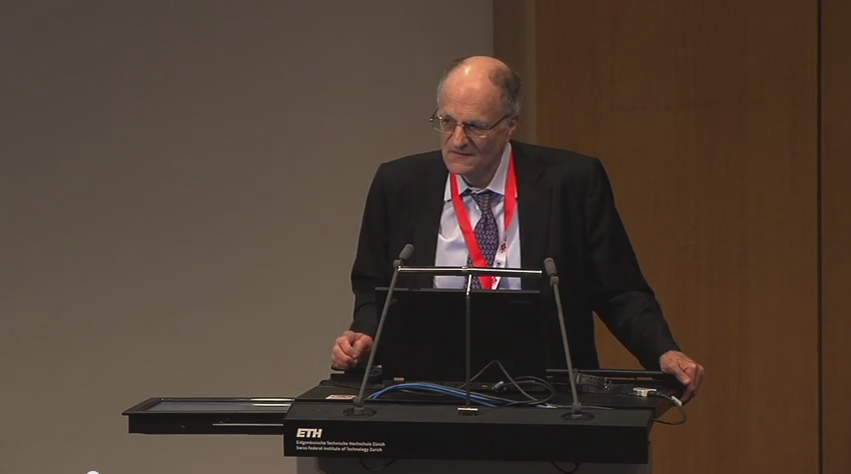
Video from 41st SPEEDUP Workshop: Thomas Schulthess on “The Swiss HPC strategy towards the Exascale Era”
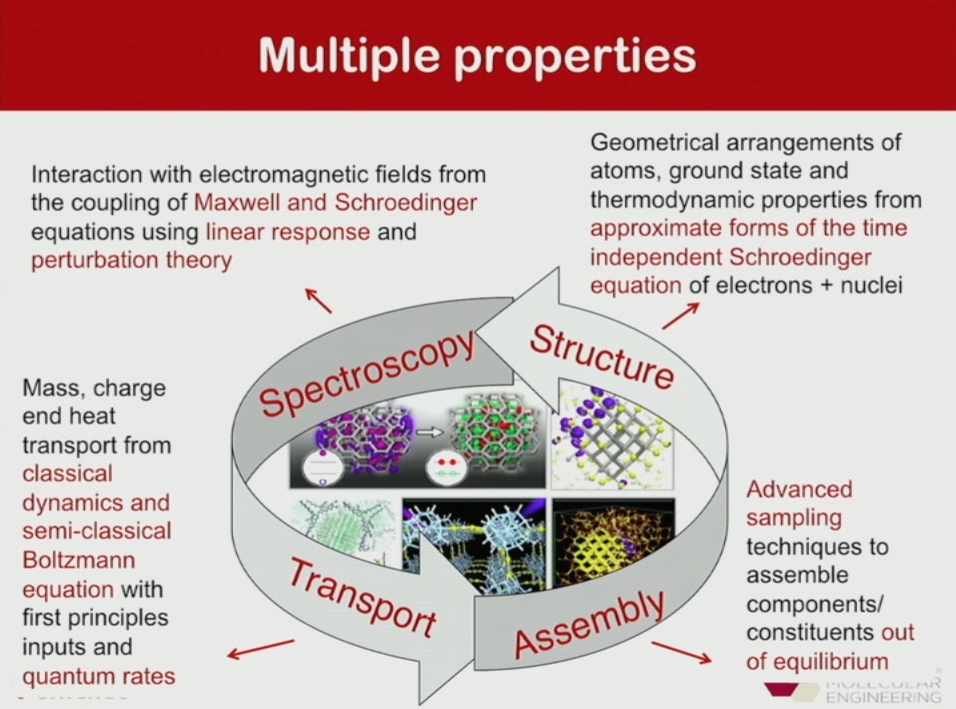
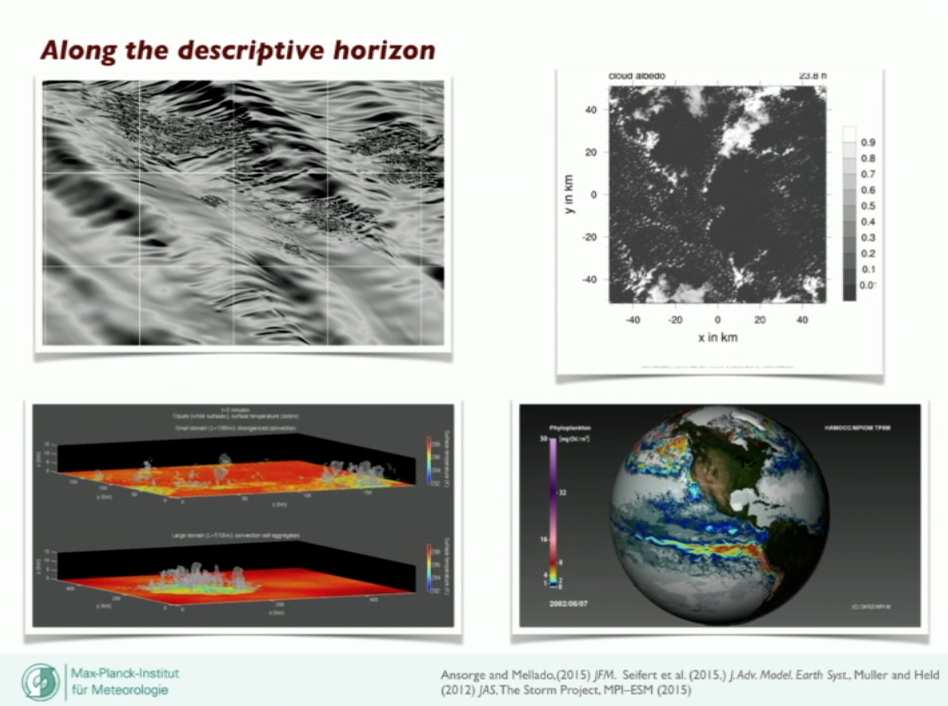
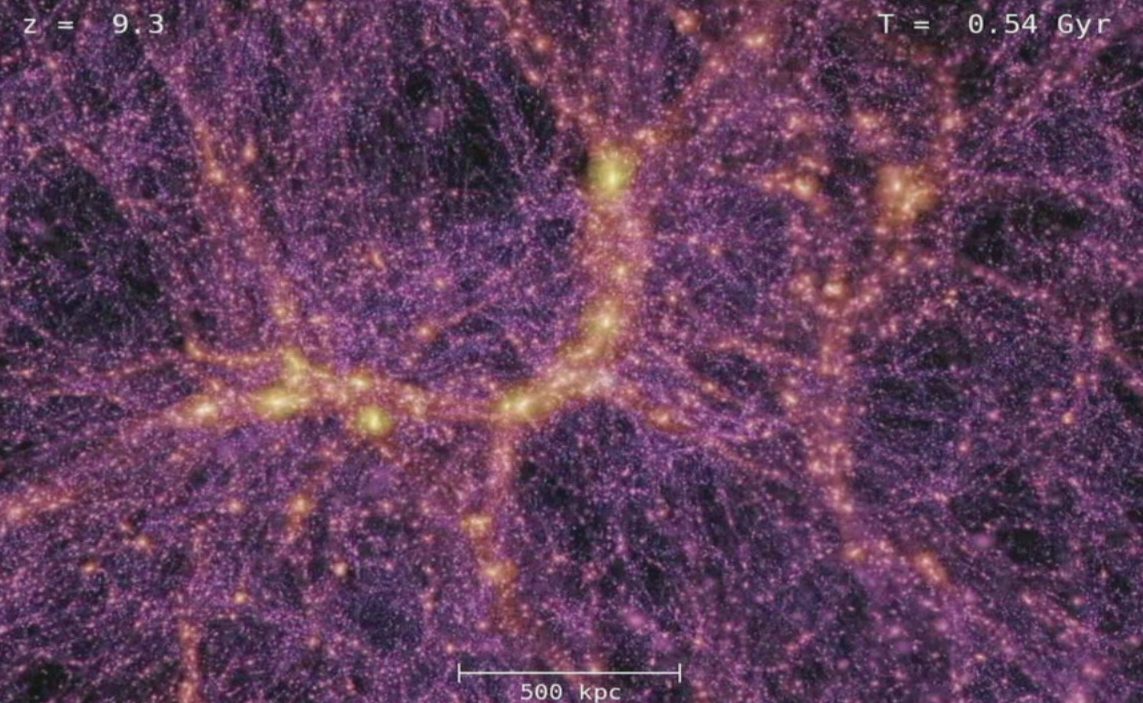
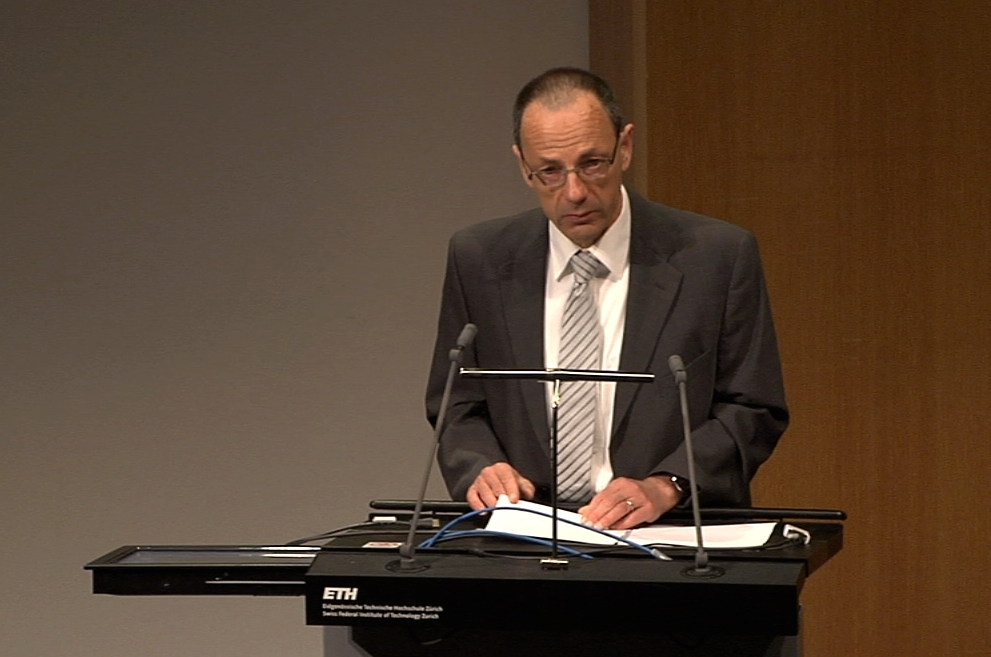
At the 25 years SPEEDUP anniversary workshop, Thomas Schulthess, director of the Swiss National Supercomputing Centre – CSCS, presented the Swiss HPC strategy towards the exascale era. Through several application case studies he showed how the increasing diversity in architectural designs is influencing implementations and algorithmic choices – and thus driving application acceleration.